The Future of Home Design: Innovative Modern Roof Lanterns You Must to See
The prospects of home design is increasingly shaped by innovative modern roof lanterns. These architectural features enhance natural light and bring in smart technology for optimized climate control. As trends develop, geometric shapes and sustainable materials come to the forefront, suggesting a shift toward healthier living environments. Recognizing the multifaceted benefits and applications of roof lanterns can transform how spaces are leveraged. What implications do these advancements have for the homes of tomorrow?
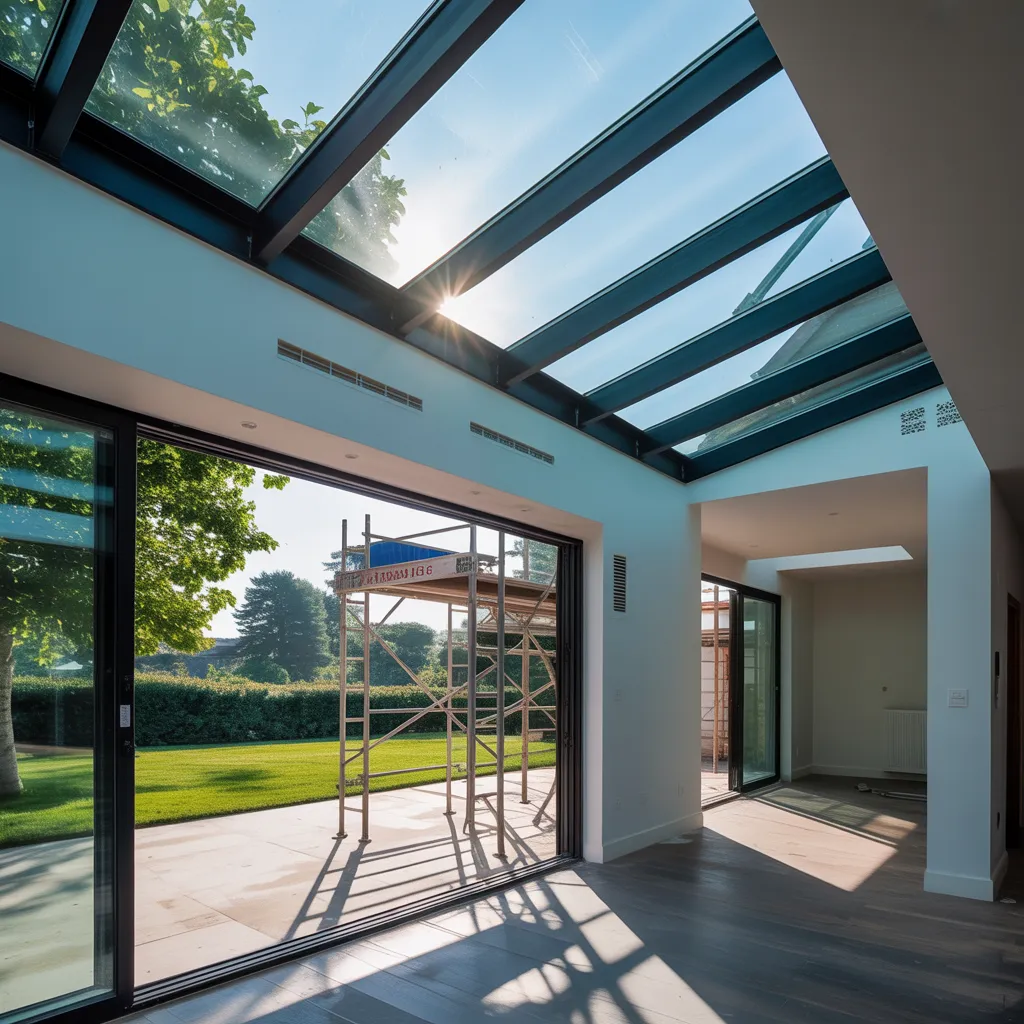
The Advantages of Modern Roof Lanterns
State-of-the-art skylights offer a variety of advantages that improve both the design and performance of spaces. These architectural features stand as beautiful focal points, facilitating natural light to inundate interiors, which can generate a sense of light and comfort. By advancing daylight penetration, roof lanterns reduce dependence on artificial lighting, thereby supporting energy efficiency.
In addition, they can boost air flow when designed with adjustable aspects, helping to a healthier indoor environment. The use of high-quality materials guarantees resilience and low maintenance, establishing roof lanterns a worthwhile investment.
In beyond their practical benefits, these structures can enhance the overall appearance of a home, integrating smoothly with various architectural styles. By incorporating modern roof lanterns, homeowners can gain the twin benefits of enhanced aesthetics and better energy efficiency, making them a favored option in contemporary design.
Beautiful Design Trends for Roof Lanterns
As property owners work to to merge style with functionality, innovative design trends for roof lanterns are surfacing to satisfy these needs. One key trend is the use of geometric shapes, which imparts an contemporary flair to conventional designs. These angular structures not only boost visual charm but also maximize natural light. In addition, biophilic design elements are gaining traction, incorporating natural substances like wood and stone to form a harmonious integration between interior and outdoor spaces.
Another notable movement is the integration of smart technology, permitting adjustable lighting and climate control, boosting both convenience and energy efficiency. Color customization options are also growing in popularity, giving homeowners to adapt their lanterns to coordinate with specific décor themes. Ultimately, understated design trends are becoming more prevalent, stressing clean lines and simplicity, which speak to modern sensibilities while keeping functionality. In combination, these trends are reframing how roof lanterns are viewed and applied in contemporary home architecture.
Picking the Correct Roof Lantern to Improve Your House
What approach should homeowners use to select the perfect roof lantern that complements their unique style and functional needs? First, they should take into account the design aesthetic of their home. A modern lantern might suit a modern space, while a more traditional design could enhance a traditional home. Next, evaluating the purpose is important; whether for natural light, ventilation, or visual beauty, the chosen lantern should fulfill specific requirements.
Size also plays a important role. A larger lantern may create a eye-catching focal point, whereas a smaller one might integrate smoothly into the existing structure. Homeowners should assess their local climate, as well, since this can determine material choices and insulation needs. Finally, it’s essential to keep energy efficiency in mind; opting for double-glazed options can enhance insulation while reducing energy costs. By weighing these factors, homeowners can confidently choose a roof lantern that enhances both form and function in their living space.
Cutting-edge Materials in Roof Lanterns
A selection of modern materials are revolutionizing the aesthetics and functionality of roof lanterns. Modern roof lanterns progressively utilize materials such as structural glass, which provides improved durability and clarity, allowing for maximized natural light. The use of aluminum in frames delivers a lightweight yet sturdy structure, able of withstanding various weather conditions while minimizing maintenance needs. Furthermore, polycarbonate panels are growing in popularity due to their strength against damage and energy efficiency, making them a viable alternative to traditional glass.
Moreover, improvements in surface treatments, such as additional information self-cleaning or energy-reflective options, are enhancing the durability and efficiency of these installations. These materials not only enhance aesthetic appeal but also boost overall satisfaction, guaranteeing that roof lanterns are both practical and elegant. As these advancements continue to evolve, they are setting new standards in the domain of home design, particularly in daylight incorporation.
Improving Energy Efficiency By Installing Roof Windows
Roof lanterns substantially boost energy efficiency in modern homes by maximizing natural light and lessening reliance on artificial lighting. By allowing sunlight to fill living spaces, these architectural features reduce the need for electric lighting during the day, leading to lower energy consumption. The thoughtful placement of roof lanterns can illuminate entire rooms, creating bright, welcoming environments without the added expenses of electrical illumination.
Moreover, many contemporary roof lanterns are designed with energy-efficient glazing, which helps maintain indoor temperatures by reducing heat loss. This feature adds to overall energy savings, as reduced heating or cooling demands can markedly lower utility bills. Additionally, the increased natural light can improve residents' wellness, promoting a healthier living environment. To summarize, roof lanterns serve not only as visual enhancements but also as practical solutions for energy efficiency in modern home design.

Creative Methods to Utilize Roof Lanterns at Home
Natural light boosts energy efficiency and unlocks a world of creative possibilities for home design. Roof lanterns serve as distinctive design elements that can revolutionize any space. In common rooms, they can create a bright focal point, enhancing the overall ambiance while allowing for an uninterrupted view of the sky.
In kitchens, upper skylights brighten work stations, making them more attractive for family assemblies and cooking endeavors. They can also be used in bedrooms, where they create a serene atmosphere, fitting for recuperation.
Homeowners can integrate roof lanterns into exterior areas, such as patios or garden rooms, dissolving the line between inside and outside spaces. Additionally, strategically placing roof lanterns above stairs or passages can add warmth and dimension to otherwise dark areas. Ultimately, the forward-thinking application of roof lanterns can reshape how natural light is embraced in modern homes.
Roof Lantern Servicing Tips
Maintaining roof lanterns is indispensable for safeguarding their decorative value and operational capability. Regular cleaning is vital; homeowners should use a mild cloth with gentle soap solution to remove dirt and grime from the glass surfaces. It is advisable to eschew abrasive materials that can scratch the glass. Additionally, regularly assessing the seals and frames guarantees that there are no leaks or structural issues. If any harm is noted, prompt repairs can block further deterioration.
Additionally, removing the space near the lantern from debris such as leaves or branches assists in ensuring adequate drainage and airflow. It is useful to search for wear signs on any electrical components, including lights or wiring. Finally, regular maintenance, particularly before winter, can defend the roof lantern from harsh weather conditions, maintaining its longevity and continued performance. Sticking to these tips will keep roof lanterns appearing beautiful while improving their functional benefits.
Regularly Asked Questions Which Come Up
What Is the Typical Price of Modern Roof Lanterns?
Contemporary roof lanterns generally cost between £500 and £2,500, based on size, material, and design complexity. Installation costs may also vary, affecting the overall budget for homeowners considering this architectural upgrade.
Are roof lanterns able to be installed on older Roofs?
Yes, ceiling skylights can be placed on existing roofs, provided that the structure can handle the supplementary weight. Specialist inspection is suggested to confirm proper integration and compliance with local building regulations for best performance and protection.
What Is the Optimal Orientation for Roof Lanterns?
The best orientation for roof lanterns is south-oriented, optimizing sunlight exposure throughout the day. This placement boosts natural light, improves energy efficiency, and generates a pleasant, welcoming atmosphere within the area underneath.
Can Roof Lanterns Handle All Climates?
Roof lanterns are typically suitable for multiple climates, though considerations such as insulation, ventilation, and weather resistance are crucial. Proper setup guarantees they function well in both warm and cool environments, improving natural light and appearance.
How Do Roof Lanterns Impact Home Resale Value?
Roof lanterns can boost home property value by amplifying natural light and curb appeal. Their sleek appearance often appeals to buyers, which may generate increased bids and speedier closings in competitive real estate markets.
Comments on “Contemporary Roof Lantern Designs”